
Plan your attic project
A useful estimate starts with the attic’s condition.
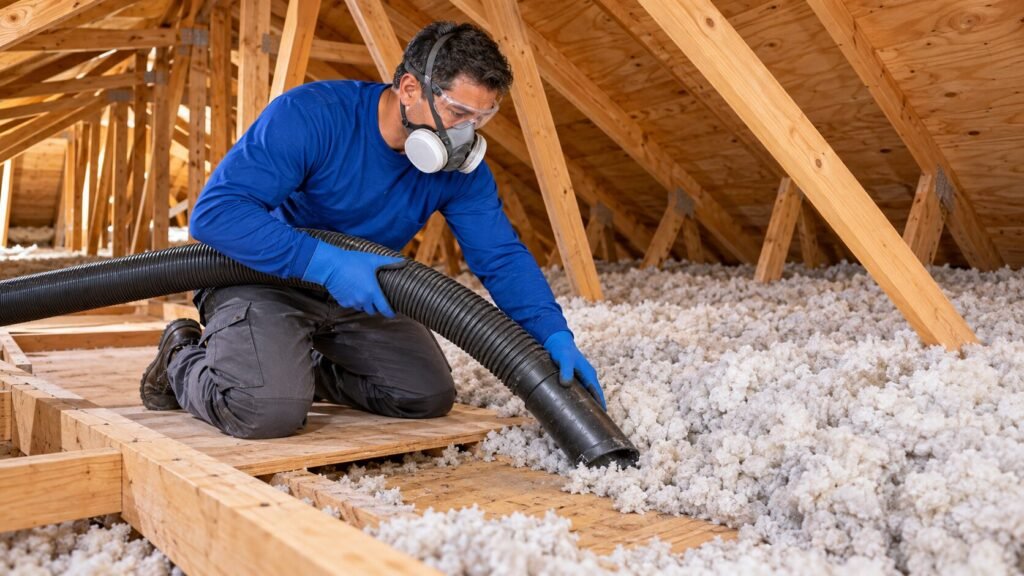
Attic insulation removal cost depends on the area involved, material type and depth, access, condition, and agreed cleanup scope. A written estimate should also identify disposal, related repairs, and whether new insulation is included. An inspection gives the contractor the information needed to price your specific project.
If you are budgeting for attic insulation removal, the first question is usually how much the job will cost. The answer becomes more useful once you know exactly what the proposed work covers.
Removing a limited area of accessible insulation is a different project from clearing several layers throughout a tight attic. Moisture, pest contamination, and repairs can change the work required before the space is ready for new material.
This guide explains the factors behind an attic insulation removal estimate and the questions that help South Florida homeowners compare proposals fairly.
In this guide
What affects attic insulation removal cost?
1. The area included in the work
Ask how the contractor measured the removal area. Your home’s advertised floor area may differ from the accessible attic area involved in the project. Additions, separate attic sections, and areas outside the scope should be identified.
If the quote uses a price per square foot, confirm which area that rate applies to and what the rate includes.
2. Insulation type, depth, and layers
Loose-fill material, batts, and mixed layers require different handling. Depth also affects how much material must be removed. Two attics of the same size can contain substantially different amounts of insulation.
Ask the inspector to describe what is present, including additional layers or construction debris that may affect the scope.
3. Access and working space
A narrow hatch, low roof clearance, separate attic compartments, and equipment in the work area can affect access and labor. The contractor also needs a plan for bringing equipment in and carrying removed material out.
Discuss the attic entrance and the route through the home during the inspection so the estimate reflects the actual setup.
4. Moisture, pests, and other contamination
Wet material, animal waste, strong odors, and other contamination can change the preparation and cleanup required. Ask what was observed and whether another specialist needs to address the source before the attic is reinsulated.
A roof leak, active pest problem, or HVAC drainage issue needs its own correction. Include those related tasks in your overall budget when they apply.
5. Removal, cleanup, and disposal
Confirm how much cleanup is included after the insulation is removed, how debris will be contained, and whether hauling and disposal are part of the total. Ask the contractor to explain what the attic should look like at completion.
A useful estimate question: “What conditions did you find that affect this price, and which parts of the project are included in the total?”
Does all the old insulation need to come out?
Start with an assessment of whether removal is necessary. Clean, dry, serviceable insulation may be suitable to remain beneath an additional layer. Age alone does not establish that it must be removed.
When the concern is limited to one area, ask whether targeted removal is appropriate and how the remaining material will be evaluated. A broader scope should be supported by the condition found.
Our guide explains when old attic insulation should be removed before adding new insulation. Understanding that decision helps you compare the right project.
What should an insulation removal estimate include?
Request enough detail to understand both the price and the finished result. A clear proposal should address:
- Defined work area: Which attic sections and insulation layers will be removed?
- Existing conditions: What damage or contamination supports the recommendation?
- Home protection: How will the access route, floors, and nearby belongings be protected?
- Cleanup and disposal: What material and debris will be collected and hauled away?
- Related work: Are repairs, pest services, air sealing, or other specialist services included or separate?
- New insulation: Is installation included, and what product and final insulation level are proposed?
- Schedule and changes: What is the expected duration, and how will additional findings be handled?
If two estimates differ, compare those items before comparing the totals. One contractor may have included hauling, preparation, and new insulation while another priced only removal.
Separate removal from the cost of rebuilding the insulation layer
Removal and new insulation installation are separate parts of the project. Ask for them to be itemized even when the same company handles both.
For the installation portion, confirm the product, coverage area, intended final R-value, and necessary preparation. The plan should also account for ventilation paths, equipment clearances, and service access.
Learn more about attic insulation installation and the information to discuss before the new material is placed.
Material identification matters: If vermiculite insulation is suspected, leave it undisturbed. EPA recommends treating it as potentially asbestos-contaminated and using an appropriately trained and accredited asbestos professional if removal is needed. Confirm the assessment before scheduling ordinary insulation work.
How to prepare for an accurate quote
Gather the information you already have: the home’s approximate age, the reason you are considering removal, previous insulation work, and any known roof, pest, or water problems.
Describe the attic entrance and share existing photos if available. You do not need to disturb insulation or enter an unsafe attic to prepare for an appointment. Let the contractor evaluate access and material conditions.
If another contractor is repairing the roof, ductwork, or electrical system, explain the schedule. Coordinating the work can help avoid covering areas that still need inspection or repairs.
Before approving the estimate: Ask the contractor to show you the affected areas, explain what can remain, and identify what must happen before new insulation is installed. Keep the proposal and completion photos with your home-maintenance records.
Duct & AC Masters
Get an estimate based on your attic.
Duct & AC Masters provides attic insulation inspections, removal recommendations, and related insulation services across Palm Beach, Broward, and Miami-Dade counties. Share your concerns and ask the team to explain the appropriate scope for your property.
Request an insulation removal estimate
Prefer to call? (954) 324-1406
Attic insulation removal cost: FAQs
How much does attic insulation removal cost in South Florida?
A property-specific estimate should account for the removal area, material type and depth, access, condition, cleanup, and disposal. Request an inspection and an itemized proposal so you can see how the total was determined.
Is insulation removal priced per square foot?
A contractor may use a square-foot rate or a total project price. If a rate is quoted, confirm the measured area and included work. Depth, access, and condition still matter when comparing proposals.
Does the removal quote include new insulation?
Check the written proposal. Removal, preparation, and new insulation may be separate line items or part of one package. Ask for the installation product, area, and intended final R-value to be identified.
Can removing only the damaged area reduce the project scope?
Targeted removal may be appropriate when the affected area is limited and the remaining insulation is suitable to retain. Ask the inspector to explain the boundaries of the damage and how the retained material was evaluated.
Do I need removal if the existing insulation is simply thin?
Clean, dry, serviceable insulation may be able to remain beneath an additional layer. Have the attic inspected for contamination, moisture, and other problems before deciding on removal or an insulation top-up.
What if the contractor discovers more damage during removal?
Ask how additional findings will be documented and explained before work outside the agreed scope proceeds. Request an updated description and price for any proposed changes, including work that requires another specialist.