
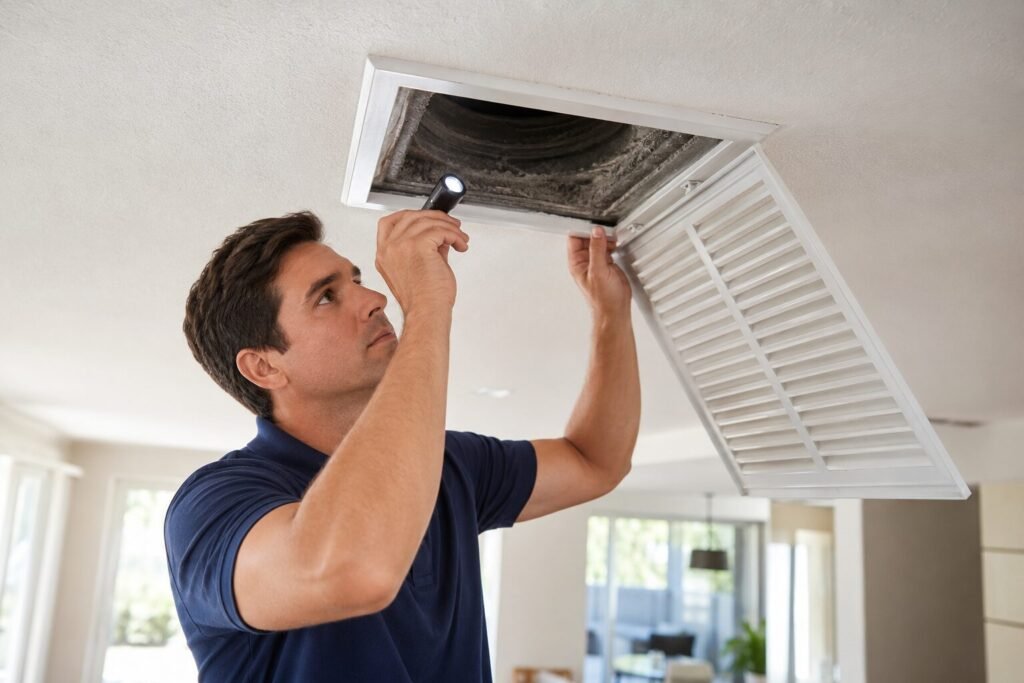
Air ducts do not need to be cleaned on the same calendar schedule in every home. In South Florida, long cooling seasons, frequent AC use, humidity, pets, remodeling dust, and the condition of the duct system can all affect how quickly buildup becomes a problem.
Many Florida homeowners use three to five years as a practical inspection and cleaning reference point, but the condition of the system matters more than the date. Schedule an inspection sooner if you see debris inside vents, notice dust blowing from registers, smell persistent musty odors, have had pests or construction work, or cannot remember when the system was last evaluated. Ducts that remain clean and free of specific problems may not need cleaning simply because a certain number of years has passed.
The best approach is to combine a reasonable reminder schedule with visible evidence. That helps you avoid neglecting a dirty system while also avoiding unnecessary service. A professional can inspect accessible supply and return areas, identify the source of the problem, and determine whether the home needs cleaning, a repair, or another HVAC correction.
This guide explains how often air ducts should be cleaned in Florida, which household conditions can shorten the timeline, and what to check before scheduling service.
Why Florida Homes May Need Earlier Duct Inspections
South Florida air conditioners often run through much of the year. Every operating cycle moves air through the return, filter, air handler, supply ducts, and registers. A well-maintained system can stay relatively clean, but problems with filtration, moisture, duct damage, renovations, or household activity can introduce more debris.
Long Cooling Seasons
More operating hours mean more air repeatedly passes through the HVAC system. Filter condition, housekeeping, air leaks, and duct integrity become especially important.
Humidity and Moisture
Humidity alone does not mean ducts are dirty, but condensation, air leaks, or wet HVAC components can create an odor or moisture problem that needs prompt investigation.
Attic and Duct Conditions
Many Florida duct systems run through hot attic spaces. Gaps, damaged insulation, disconnected sections, or deteriorated duct material can affect airflow and allow unwanted particles into the system.
Pets and Household Activity
Pet hair, dander, open doors, home projects, and busy households can increase the amount of material a filter and return system must manage.
Seven Signs Your Air Ducts Should Be Inspected Sooner
Do not wait for a calendar reminder if the home is already showing signs of a problem. Professional air duct cleaning in South Florida may be appropriate when an inspection confirms meaningful buildup or contamination inside the system.
- Visible debris inside registers or accessible ducts: A light coating of settled dust is different from heavy deposits, clumps, or material being carried into rooms.
- Dust blowing from supply vents: Puffs of debris when the AC starts deserve an inspection of the vents, ducts, filter, and air handler.
- Persistent musty or stale odors: Odors that appear whenever the system runs may come from ducts, a wet component, a drain issue, or another HVAC source.
- Evidence of rodents or insects: Pest activity in ductwork should be addressed quickly. The infestation and entry points must be corrected before cleaning is considered complete.
- Recent remodeling or construction: Drywall dust, sawdust, insulation particles, and other project debris can enter open or poorly protected returns and vents.
- Unexplained heavy dust returning after cleaning: This can point to a filtration problem, duct leakage, or buildup that requires a closer look.
- Suspected moisture or visible growth: Do not treat this as an ordinary dust-cleaning job. The moisture source and affected materials should be evaluated before work begins.
Seeing Dust or Smelling an Odor When the AC Runs?
Duct & AC Masters can inspect the system, explain what is causing the problem, and recommend the right service based on the condition of your home.
What Can Make a Florida Home Need Cleaning More Often?
The three-to-five-year range is only a reference point. Some homes should be checked earlier because they have more sources of particles or a greater chance of duct contamination.
After Renovation
Inspect after major drywall, flooring, demolition, or remodeling work, especially if registers and returns were left uncovered.
After Pest Activity
Cleaning may be needed after pests are removed and entry points are sealed. Damaged ductwork may require repair or replacement first.
With Multiple Pets
Homes with shedding pets may place more demand on filters and return areas. Inspection frequency should reflect what is actually accumulating.
After Water Problems
Leaks, condensation, flooding, or a wet HVAC component should be investigated promptly instead of waiting for the normal cleaning interval.
A home with none of these conditions may go longer without needing a cleaning. That is why a condition-based recommendation is more useful than an automatic annual service plan.
Cleaning Will Not Fix Damaged Ductwork
Dust and debris are not the only reasons a duct system can perform poorly. Weak airflow, hot rooms, unusually long AC cycles, or high energy use may also result from disconnected ducts, crushed flex duct, failed seals, missing insulation, an undersized return, or AC equipment problems.
If the inspection finds leaks or limited damage, professional air duct restoration may be a better solution than cleaning alone. When the material is extensively deteriorated, contaminated beyond practical cleaning, or poorly configured, air duct replacement may be the more reliable long-term option.
The air conditioner should also be considered as part of the system. If cooling performance has changed, an AC inspection and repair service can determine whether the equipment, drain, evaporator area, blower, filter setup, or ductwork is responsible.
What Should Professional Air Duct Cleaning Include?
A useful service starts with an inspection and a clear explanation of what was found. Be cautious of anyone who recommends cleaning without looking at the system or who promises that duct cleaning will solve every air-quality, allergy, odor, or cooling problem.
Inspect
Review accessible supply and return ducts, registers, the filter area, airflow concerns, odors, damage, and visible buildup.
Identify the Cause
Determine whether the issue is ordinary debris, construction dust, pests, moisture, damaged ducts, filtration, or another HVAC problem.
Clean the Needed Areas
Use appropriate equipment to remove confirmed buildup from the agreed duct, return, register, and vent areas without damaging the system.
Review Next Steps
Explain any repairs, moisture corrections, filter changes, or maintenance steps that can help prevent the same problem from returning.
How to Help Keep Air Ducts Cleaner Between Services
- Check the HVAC filter regularly and replace it according to the filter and equipment requirements.
- Use a properly sized filter rather than forcing a high-resistance filter into a system not designed for it.
- Keep return grilles and supply registers clean and unobstructed.
- Cover registers and returns during dusty renovation work.
- Schedule AC service when you notice condensation, drain problems, unusual odors, or performance changes.
- Address roof, plumbing, pest, and attic problems before they affect the duct system.
- Have damaged or disconnected ductwork repaired instead of repeatedly cleaning around the underlying problem.
Air Duct Cleaning Across South Florida
Duct & AC Masters is a licensed and insured HVAC and air duct company serving homes and businesses across Palm Beach County, Broward County, and Miami-Dade County. Homeowners in West Palm Beach, Boca Raton, Delray Beach, Fort Lauderdale, Miami, and nearby communities can request an inspection and a straightforward recommendation.
Find Out Whether Your Ducts Actually Need Cleaning
Do not guess based only on the age of the home. Schedule an inspection with Duct & AC Masters to identify buildup, airflow problems, damage, or moisture concerns and get the right recommendation.