
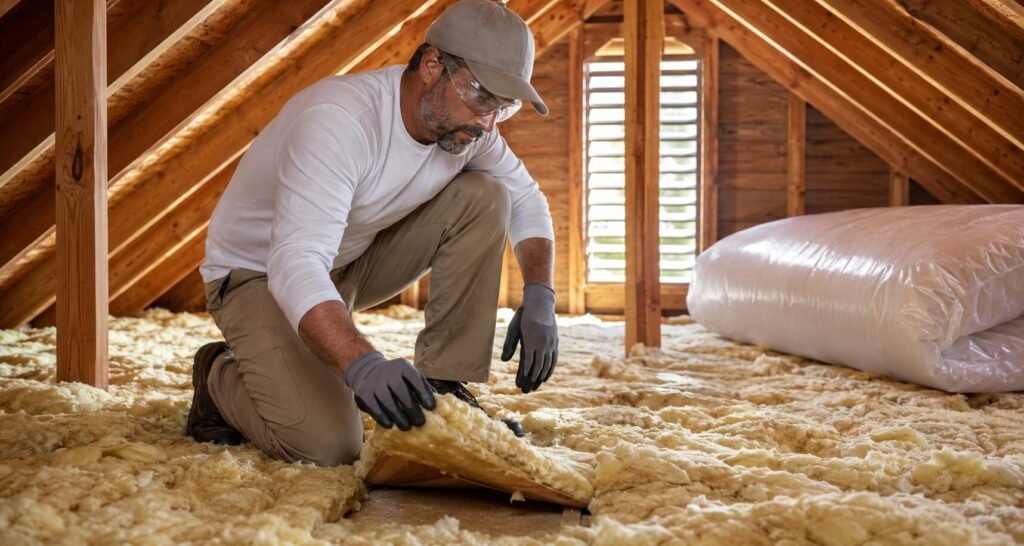
Adding more attic insulation can improve comfort in a hot South Florida home, but covering old material without checking it first can hide moisture, pest activity, odors, damaged insulation, and air leaks. The right starting point is an attic inspection—not an automatic decision to remove everything or simply add another layer.
You do not always need to remove old attic insulation before adding new insulation. If the existing material is dry, clean, free of pests and odors, evenly supported, and otherwise serviceable, a professional may recommend adding insulation over it. Removal is usually the better choice when the old insulation is wet, contaminated, pest-damaged, mold-affected, heavily deteriorated, or hiding attic problems that should be corrected first.
The condition of the existing insulation matters more than its age alone. Older material can sometimes remain useful, while relatively new insulation may need to come out after a roof leak, rodent problem, or other contamination event. Removing material unnecessarily increases the project scope, but leaving damaged insulation in place can reduce the value of the upgrade.
This guide explains when removal is recommended, when adding over existing insulation may be appropriate, and what homeowners should have checked before approving the work.
When Should Old Attic Insulation Be Removed?
Professional attic insulation removal creates a cleaner starting point when the existing material is no longer safe or practical to leave in place. These are the most common reasons a technician may recommend removal before new insulation is installed.
Water or Moisture Damage
A roof leak, condensation problem, or storm-related water intrusion can leave insulation damp, matted, stained, or deteriorated. The moisture source should be corrected before wet material is removed and new insulation is added.
Rodent or Pest Contamination
Nesting material, droppings, urine, damaged insulation, and strong odors are reasons not to cover the existing layer. The entry points and active infestation should be addressed before the attic is prepared for new material.
Suspected Mold or Microbial Growth
Visible growth, persistent musty odors, or moisture staining requires investigation. New insulation should not be used to cover a suspected moisture or mold problem; the cause and appropriate cleanup scope must be determined first.
Smoke, Soot, or Strong Odors
Insulation can hold particles and odors after smoke exposure, pest activity, or other contamination. If the material cannot be cleaned effectively, removal may be needed before the attic can be refreshed.
Severe Deterioration or Uneven Debris
Material that is badly compressed, mixed with construction debris, scattered into unusable piles, or extensively damaged may not provide a reliable base for an upgrade.
Attic Repairs Need Clear Access
Removal may be practical when electricians, roofers, HVAC technicians, or air-sealing professionals need safe access to the attic floor and concealed penetrations before insulation is reinstalled.
Not Sure Whether the Old Insulation Can Stay?
Duct & AC Masters can inspect the attic, explain the condition of the existing material, and recommend removal, installation, or a combined plan based on what the home actually needs.
When Can New Insulation Be Added Over Existing Insulation?
Adding insulation over an existing layer can be a reasonable option when the old material is still clean and serviceable but there is not enough of it, coverage is thin, or some areas are uneven. A professional should verify that the attic is ready and that the new material will not cover an unresolved problem.
Adding insulation may be appropriate when the existing material is:
- Dry and free from active moisture problems
- Free from pest debris, strong odors, and visible contamination
- In generally good physical condition
- Not blocking soffit vents, mechanical equipment, or required clearances
- Thin or uneven rather than extensively damaged
- Located in an attic where important repairs and air sealing have already been completed
- Compatible with the proposed insulation plan and target coverage
A professional attic insulation installation should create even coverage without burying vents, unsafe wiring conditions, recessed fixtures that require clearance, or HVAC components that need service access. More material is not automatically better if it is installed without proper preparation.
What Should Be Checked Before New Insulation Is Installed?
The insulation is only one part of the attic. Before deciding whether to remove old attic insulation before adding new, the inspection should look for conditions that can reduce performance or cause the same damage to return.
Roof and Moisture
Look for active leaks, water stains, damp decking, condensation, and any source that could damage the new material.
Pests and Entry Points
Confirm that pest activity has stopped and openings are addressed before clean insulation is placed in the attic.
Air Leaks and Penetrations
Gaps around plumbing, wiring, chases, and ceiling penetrations may be easier to identify and seal before the area is covered.
Ducts and HVAC Equipment
Inspect accessible ducts, drain lines, air handlers, and service pathways so insulation does not hide damage or restrict maintenance.
This is also a good time to consider whether the home has a separate cooling problem. Poor insulation can make rooms hotter and cause longer AC cycles, but duct leaks or equipment issues can create similar symptoms. If your system is struggling, professional air conditioning inspection and repair can help identify whether more than one issue is affecting comfort.
What Are the Benefits of Removing Damaged Insulation First?
When removal is justified, it does more than clear space. It allows the new insulation project to begin with better visibility and fewer unknowns.
A Cleaner Starting Point
Contaminated, odorous, or damaged material is taken out instead of being trapped beneath a new layer.
Better Access for Corrections
With the attic floor exposed, problem areas, penetrations, wiring concerns, and damaged components may be easier to inspect.
More Consistent New Coverage
A prepared attic makes it easier to install the new insulation evenly and inspect the finished coverage.
Removal is not a substitute for correcting the cause of the damage. A leak must be repaired, pests must be controlled, and unsafe or contaminated conditions may require the appropriate qualified specialist. Otherwise, the new insulation can develop the same problem.
How Does the Removal and Installation Process Work?
Inspect
Review insulation depth, coverage, moisture, odors, pest evidence, access, ventilation, and visible attic conditions.
Plan
Decide what can remain, what should be removed, and which repairs or corrections must happen before installation.
Prepare
Remove the approved material using suitable equipment and safety practices, then prepare the accessible attic area.
Install and Review
Install the new insulation evenly, preserve necessary clearances and access, and review the completed coverage.
Why This Decision Matters in South Florida
South Florida attics can become extremely hot, and air conditioners work through a long cooling season. Thin or damaged insulation can allow more attic heat to affect the living space, contributing to hot rooms, warm ceilings, and longer cooling cycles. Humidity, roof leaks, storms, pests, and attic-mounted HVAC equipment also make a careful condition check especially important.
Duct & AC Masters provides attic insulation services throughout Palm Beach County, Broward County, and Miami-Dade County. Homeowners in West Palm Beach, Boca Raton, Fort Lauderdale, Miami, and nearby communities can schedule an inspection to determine the right scope for their attic.
Get the Right Attic Insulation Plan
Do not pay to remove good insulation or bury damaged material under a new layer. Schedule an attic inspection with Duct & AC Masters for a clear recommendation based on your home’s existing conditions.